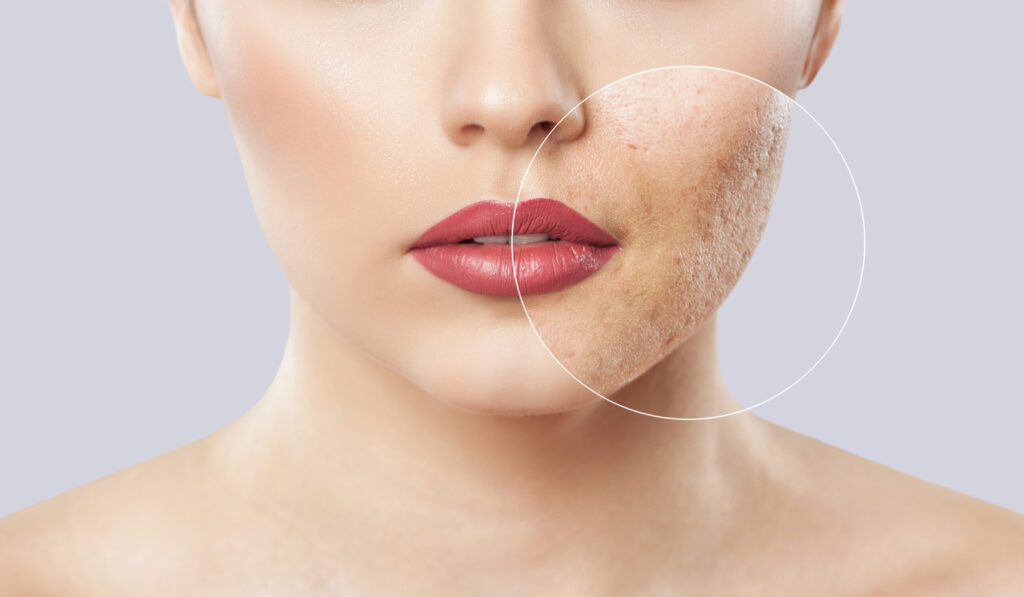
We explored how to avoid getting acne scars in our recent blog post, “Can You Clear Acne on Your Own.” That’s where we learned that two (out of six) types of acne–nodules, and cysts–leave SCARS. We learned how to prevent acne scars by seeing a dermatologist for an oral antibiotic. Let us mention at this… read more

You want your skin to radiate health, AND you don’t want to get skin cancer. Well, you can get both healthy skin and avoid skin cancer too. How? Eat. Healthy. Foods. Studies show their antioxidants, immune boosters, and anti-inflammatory properties in food will improve the look of your skin and could reduce your risk of… read more
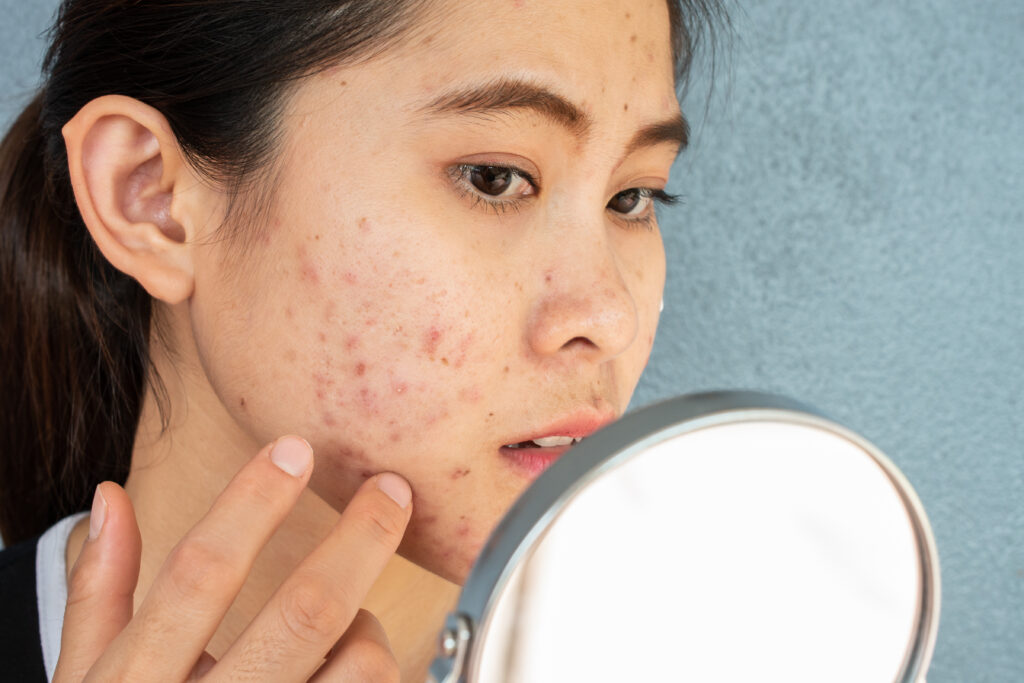
So you have acne, and you want it gone. But how? Is it even possible to clear acne on your own? Some people say it is; others say you need to see a dermatologist. What’s the truth? The Skin and Cancer institute put together this guide to answer all these questions and more. Acne, by… read more

Let’s celebrate national healthy skin month this November with some ideas to keep your skin looking and feeling its best. Most of them center around avoiding the sun, which is responsible for 90 percent of visible signs of aging, like wrinkles. We’ll also talk about tips and tricks to help you maximize your moisture during… read more
How does pigmentation begin? Pigmentation or hyperpigmentation occurs when the skin darkens in patches or on a widespread basis. Pigmentation and hyperpigmentation can be the result of a combination of factors including hormones, sun exposure, inflammation, damage to the skin, and certain medications. When melanin or pigment is in overdrive and produced in excess from… read more
Acne is a very common skin condition that affects individuals of all skin types, and often leads to scarring and hyperpigmentation if not treated properly. What Causes Acne? When the dead skin collects on the surface of your face or body, hormones stimulate the production of sebum. This leads to the formation of white heads… read more
Several types of scars can result from trauma, injury, a burn, acne, or a skin condition. For example, a burn injury can lead to a contracture scar. A keloid scar could result from from a cut, wound or other injury. A surgical scar, piercing or tattoo could also cause a keloid to form. When the… read more
Today’s news is on healthy eating and how it can help with Psoriasis. Although you might not see a connection, psoriasis and healthy are more connected than you think. There are certain diets that may help your Psoriasis. There are different treatments plan when it comes to treating psoriasis and no one treatment plan works… read more
Various skin growths can become worrisome or alarming at first glance. Routine skin examinations by experienced professionals, specifically skin care specialists like board-certified dermatologists and skin cancer surgeons should be consulted with. At Skin and Cancer Institute, we pride ourselves in having the most trained, knowledgeable and experienced staff, nurses, surgeons and dermatologists by your… read more
Keloid scars can result from cuts, puncture wounds, serious acne, tattoos, piercings and more. When your skin sustains an injury, the body automatically tries to repairs the damaged cells. In doing so, a scar forms and scar tissue can continue to grow after the wound has healed. A keloid is the scar tissue that becomes… read more
At Skin and Cancer Institute, our board-certified dermatologists frequently see patients in all ages and stages of life struggling with various types of skin rashes that can range in severity and duration. For example, a prominent type of skin rash is known as atopic dermatitis. Atopic Dermatitis is a prevalent form of eczema and a… read more
The exact cause of skin tags remains unknown. It appears that skin tag develop due to friction around the skin, as tags usually develop in skin folds. Skin tags are the compilation of blood vessels surrounded by an outer layer of skin. While skin tags are not dangerous, they can be removed for cosmetic reasons…. read more
