
To manage eczema in California’s dry climate, we’ll need to focus on protecting our skin barrier through consistent moisturizing and environmental control. We should apply ceramide-rich moisturizers to damp skin twice daily, maintain indoor humidity levels between 30-50%, and use HEPA filters to reduce allergen exposure. Wearing breathable fabrics and staying hydrated are essential, while… read more

Chemical peels offer Central Californians powerful solutions for combating our region’s challenging climate effects on skin health. We’re seeing remarkable improvements in sun damage, premature aging, and dry climate-induced concerns through customized peel treatments that promote cell turnover and collagen production. Our medical-grade procedures, ranging from gentle to intensive strengths, can address multiple skin layers… read more

We’re seeing a revolutionary shift in Northern California’s dermatology landscape, where holistic practices blend traditional medicine with natural healing approaches. By integrating mind-body techniques, farm-to-face products, and personalized treatment plans, practitioners address both skin conditions and their root causes. Our region’s leading centers emphasize nutrition, lifestyle factors, and botanical remedies alongside conventional treatments. Understanding this… read more
We offer exhaustive acne treatment options across Central California, from basic topical solutions to advanced laser therapies. Our evidence-based approaches include benzoyl peroxide treatments, salicylic acid exfoliation, and FDA-cleared AviClear laser technology. We provide personalized care plans combining medical treatments with lifestyle modifications, while accepting major insurance providers and offering flexible payment options. Exploring our… read more

Central California’s native plants offer remarkable skin care benefits we can harness naturally. From soothing chamomile to restorative sage, our region’s botanical diversity provides powerful antioxidants and protective compounds for skin health. We’re seeing local ingredients like coastal yarrow, desert jojoba, and mountain elderberry transform modern skincare formulations. By choosing locally-sourced botanicals, we support both… read more

Living in Central California’s unique climate means we’re facing several skin health challenges. Our skin battles intense UV exposure, significant temperature swings, and air quality issues in the Valley. We’ll experience dry, dehydrated skin during droughts and need protection from pollution-related sensitivity. With proper skincare strategies like seasonal routine adjustments, sun protection, and increased hydration,… read more

In Central California, we need to adapt our skincare routines to match our unique climate challenges throughout the year. During hot valley summers, we’ll want lightweight, non-comedogenic products with strong UV protection, while winter’s coastal fog and dry air call for richer moisturizers and continued sun defense. We recommend altering products gradually between seasons and… read more
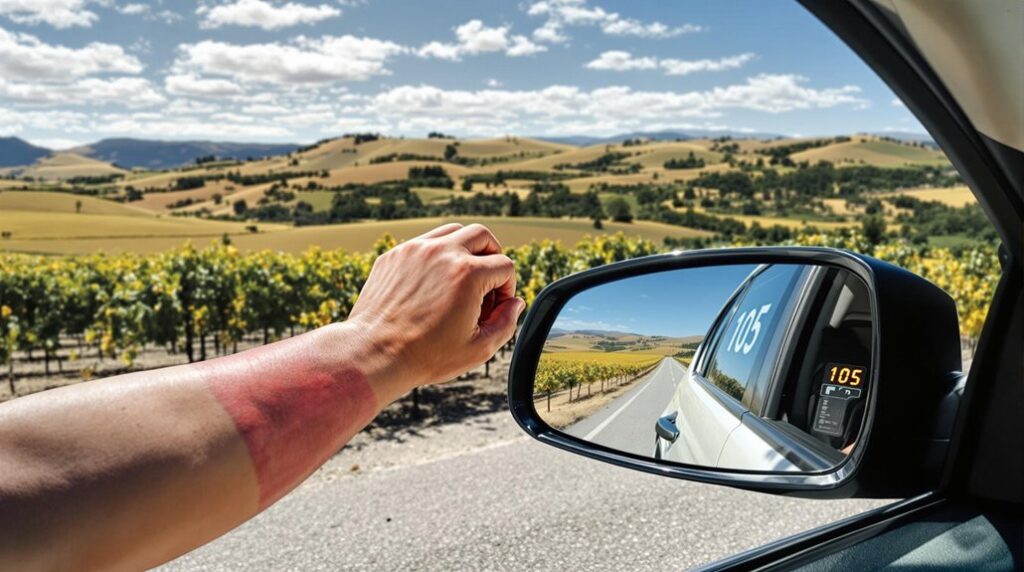
Living in Central California means we’re exposed to intense UV rays year-round, not just during summer months. Our unique valley geography and climate create conditions where UV radiation remains potent even on cloudy days, making daily sunscreen essential for protecting our skin from premature aging and cancer risks. We’ll need at least SPF 30 broad-spectrum… read more

Regular exfoliation is key to maintaining healthy, glowing skin by removing dead cells and promoting cell turnover. We recommend exfoliating 1-3 times per week, depending on your skin type – once weekly for sensitive skin, twice for normal skin, and up to three times for oily skin. Along with improved texture and tone, proper exfoliation… read more

Let’s dispel some common sunscreen myths that might be putting our skin at risk. Despite popular belief, we need sunscreen even on cloudy days and while indoors, as UV rays can penetrate clouds and windows. All skin tones require protection, not just fair complexions, and a higher SPF doesn’t mean all-day coverage – reapplication every… read more

To protect your skin while traveling, preparation should begin days before takeoff. We’ll want to shift our skincare routine to match our destination’s timezone and boost water intake to combat in-flight dehydration. During flights, let’s skip makeup and rely on facial mists and heavy moisturizers, as cabin humidity drops below 20%. Sun protection becomes essential,… read more

To choose the right moisturizer, we’ll need to first identify our skin type – whether it’s oily, dry, combination, sensitive, or normal. For oily skin, we want lightweight, oil-free formulas, while dry skin needs richer creams with emollients like shea butter. Combination skin benefits from targeted application: lighter products on oily areas and richer ones… read more
