
Research confirms that diet and lifestyle modifications greatly enhance non-surgical weight loss treatments. Combining structured nutrition plans with GLP-1 medications can yield 2-3 times greater weight reduction, while time-restricted eating naturally decreases daily caloric intake by approximately 425 calories. Mediterranean diets simultaneously support weight loss and improve heart health markers. We’ve found that addressing metabolic… read more

Curious about brachytherapy? Our experts answer the top 10 most common questions to help you better understand this internal radiation treatment option.

We can’t assume non surgical treatments are universally safe despite their popularity. Research reveals dermal fillers carry a 42% complication rate, while botulinum toxin shows 15% adverse events. Serious risks include vascular occlusion, tissue necrosis, nerve damage, and infections requiring antibiotic intervention. Safety standards vary dramatically between regions, with some operating under minimal oversight while… read more

Radiation therapy is often misunderstood when it comes to treating skin cancer. In this article, we separate fact from fiction by uncovering the truth behind seven common myths.

Can what you eat and how you live really impact the success of non-surgical treatments? Discover how dietary choices and lifestyle habits may improve treatment outcomes and support long-term recovery.

After radiation treatment, we recommend implementing thorough skin protection strategies since treated areas remain permanently vulnerable to damage. Apply broad-spectrum SPF 30+ sunscreen every two hours, avoid peak sun hours (10 AM-4 PM), and wear UPF-rated clothing for consistent coverage. Cleanse with lukewarm water and mild soap, moisturize with approved fragrance-free products, and monitor for… read more

If you live in the Deer Valley area of Phoenix and have noticed skin rashes that just won’t go away—or one that suddenly appeared with no clear cause—you might be wondering whether it’s time to visit a dermatologist. The truth is, while many rashes are minor and clear up on their own, others are signs… read more
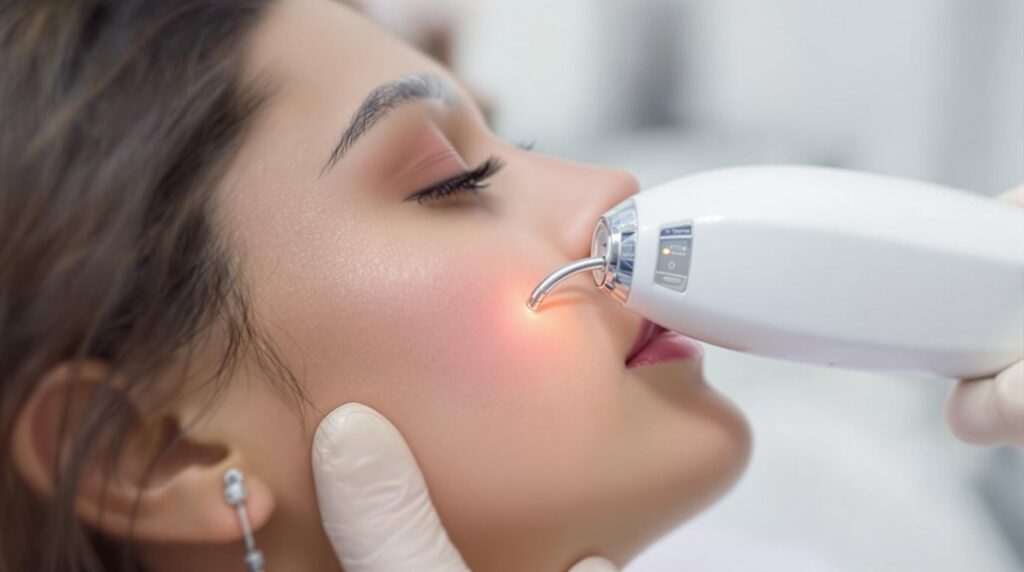
Both brachytherapy vs. superficial radiation therapy (SRT) offer excellent non-surgical options for non-melanoma skin cancer, with cure rates exceeding 90%. Brachytherapy excels for facial tumors with superior cosmetic outcomes, while SRT works well for superficial lesions. Your choice depends on tumor location, size, depth, and insurance coverage. Treatments typically take 5-10 minutes over 1-2 weeks… read more
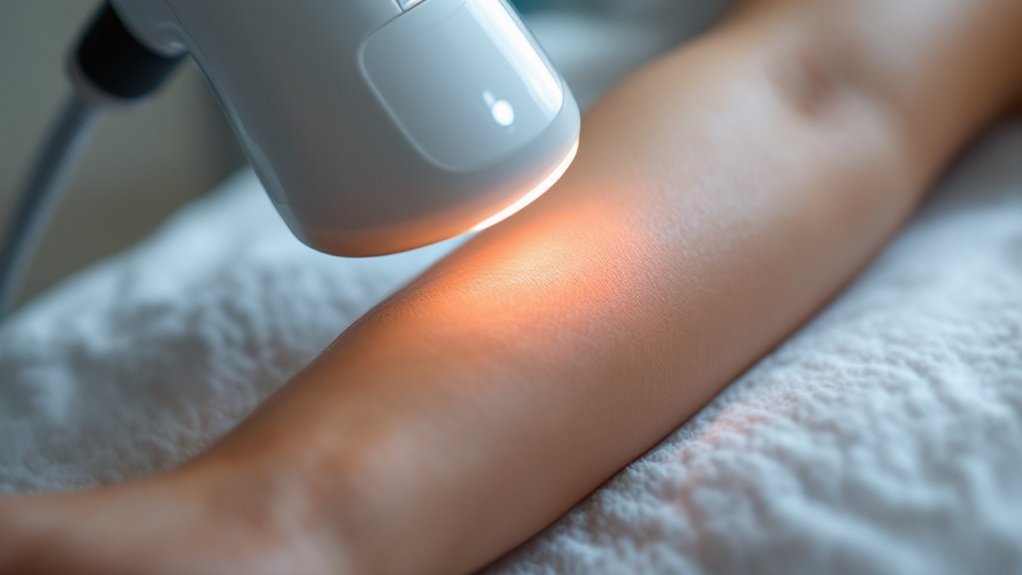
Superficial Radiation Therapy (SRT) offers a non-invasive alternative to surgery for non-melanoma skin cancers. We deliver low-energy X-rays (50-150 kVp) that target cancerous cells in upper skin layers with minimal damage to healthy tissue. SRT achieves cure rates exceeding 95% without incisions, anesthesia, or visible scarring. It’s ideal for facial cancers, elderly patients, and those… read more

Despite Northern California’s foggy climate, we often experience paradoxical skin dryness due to complex interactions between atmospheric humidity and transepidermal water loss. We recommend applying hyaluronic acid serums followed by ceramide-rich moisturizers to establish effective barrier function. Gentle exfoliation enhances product absorption, while broad-spectrum SPF remains essential regardless of fog density. Indoor heating creates microenvironments… read more

Northern California’s coastal climate creates unique skin challenges. Our fog-layer traps pollutants and salt particles causing inflammation while creating an oil-dehydration paradox. We experience hidden UV damage from diffuse light, compromised moisture retention despite humidity, and disrupted barrier function from frequent temperature fluctuations. Seasonal changes require adaptive skincare strategies, while environmental stressors like wildfire smoke… read more

Northern California’s diverse microclimates demand specialized sun protection. For coastal areas, we recommend mineral-based, water-resistant sunscreens like Sun Bum and Raw Elements with minimum SPF 30. Inland regions with higher UV exposure require broad-spectrum protection such as Badger or Thinksport with SPF 30+. Year-round application is essential, even on cloudy days when 80% of UV… read more
