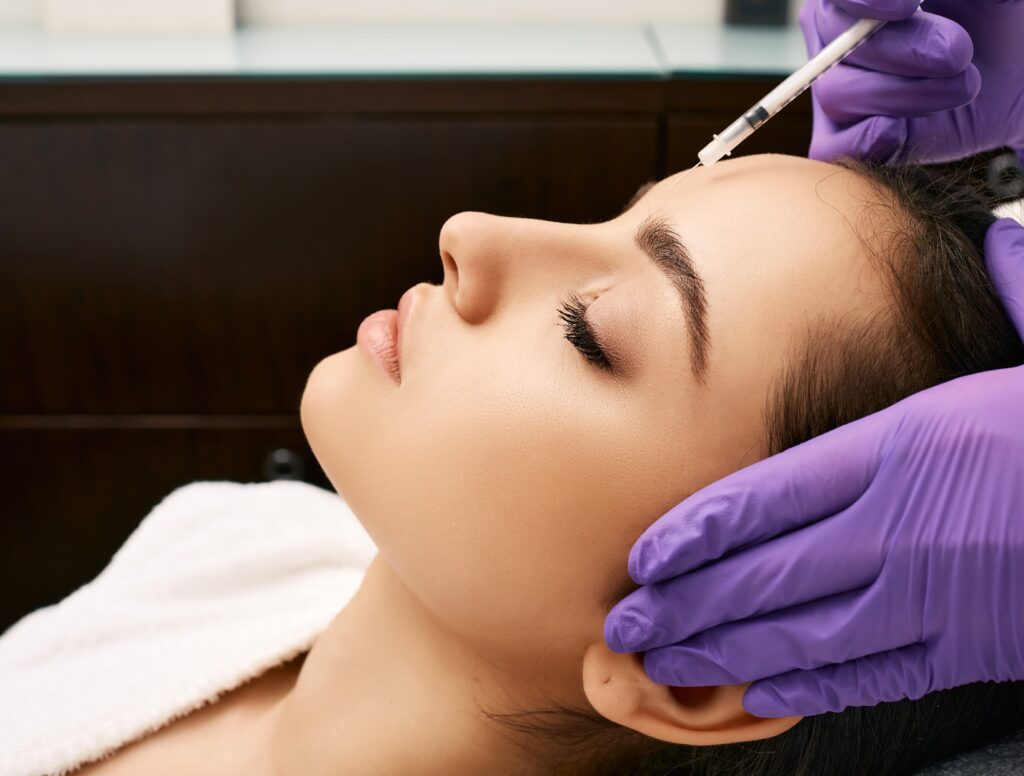
When it comes to Botox and Xeomin, many people are unsure of the difference. Both treat wrinkles, but they are slightly different. Here’s how Botox and Xeomin differ and what you need to know before getting either treatment. What is Botox You may have heard of Botox, but what exactly is it? Botox is a… read more
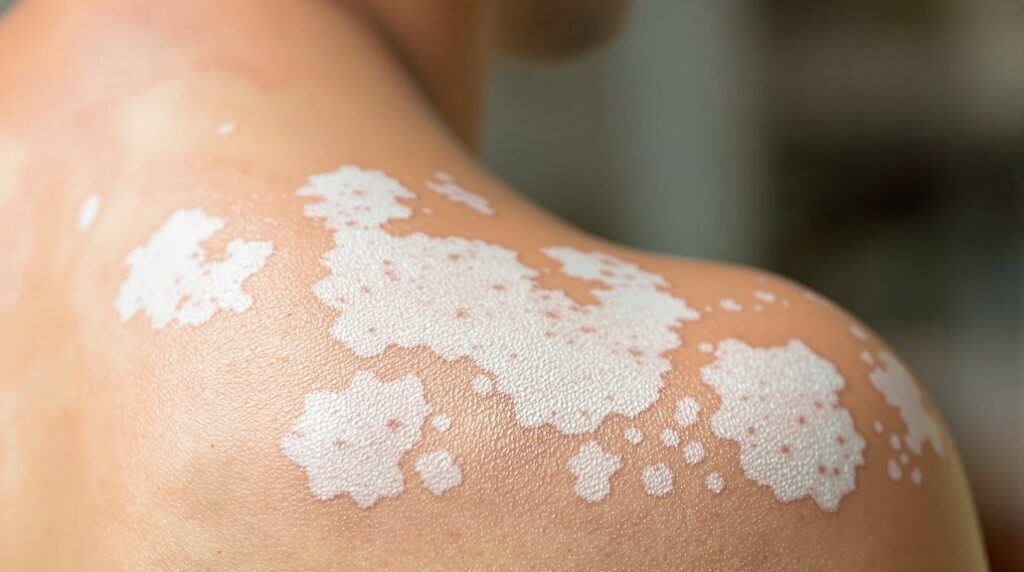
Tinea versicolor is a common fungal infection caused by Malassezia yeast overgrowth, resulting in discolored patches on the skin. Symptoms include pink, tan, or brown spots that don’t tan uniformly. Treatment options range from over-the-counter antifungals like selenium sulfide and ketoconazole to prescription medications for persistent cases. Prevention involves keeping skin dry, using antifungal cleansers,… read more

You want to look your best this Valentine’s day, and that means glowing skin that radiates health from the inside out. You want to look great for YOURSELF (and of course, you want that special someone to notice, too). But how do you get your skin to look radiant fast? Especially if Valentine’s day is… read more

You want your skin to radiate health, AND you don’t want to get skin cancer. Well, you can get both healthy skin and avoid skin cancer too. How? Eat. Healthy. Foods. Studies show their antioxidants, immune boosters, and anti-inflammatory properties in food will improve the look of your skin and could reduce your risk of… read more

If you dream of thicker, longer lashes, you can get a medication from your dermatologist called Latisse that will give you just that. This can replace messy eyelash glue and false lashes, as well as pricey eyelash extensions. What is Latisse? Latisse is a medication for glaucoma that has a happy side effect—it makes eyelashes… read more
Nobody likes nail fungus, whether it’s on their nails or someone else’s. It’s unsightly, doesn’t feel good, and it’s contagious. So at the Skin and Cancer Institute, we’ve put together a guide to show you how to keep from getting it–and what to do if you become infected. What is Nail Fungus Nail fungus is… read more
What could be a greater gift to yourself this holiday season than laser hair removal? At the Skin and Cancer Institute, you’ll get smooth, hairless skin—without tweezing, waxing, or shaving. And, it can be done anywhere on your body (face, underarms, chest, back and bikini area). You name the body part and our lasers can… read more
SkinPen is a little tool that can make a big difference to your skin’s texture. We offer it to our patients at the Skin and Cancer Institute because we like how it can smooth acne scars and wrinkles and leave your skin glowing in as little as three sessions. What is SkinPen? SkinPen is a… read more
What is a Wart? A wart is an overgrowth of cells caused by the human papillomavirus (HPV). They are most common on the hands and feet but can grow anywhere on your body. There are five basic types of warts that you should be aware of. They all have similarities, though they look different and… read more
It’s normal to lose up to 100 hairs each day. This hair is replaced by new hair growing in, so it’s not noticeable. It’s when you lose your hair faster than it’s replaced that it becomes visibly thin and bald. That’s where the dermatologists at the Skin and Cancer Institute can help. They have two… read more
When it comes to skin cancer, melanoma is the most serious type and causes more deaths than any other skin cancer. Because of this, it’s vital to know the facts about melanoma. What is Melanoma? Melanoma is a disease where skin cancer forms inside the cells that give your skin its color. These cancer cells… read more
Each December first marks international world AIDS day, a time to raise awareness about the impact of this virus. At the Skin and Cancer Institute, we join people worldwide to support those affected by HIV/AIDS and the dermatological conditions from which they’re more likely to suffer. These conditions include Kaposi’s sarcoma, seborrheic dermatitis, psoriasis, shingles,… read more
