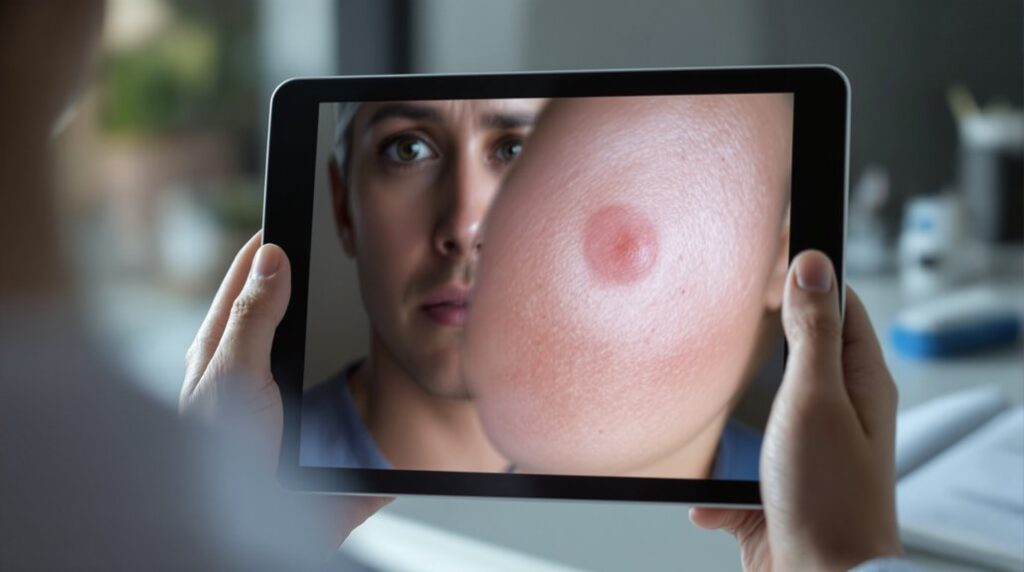
Yes, you can consult for skin cancer radiation therapy online. Virtual consultations allow for treatment planning, follow-up care, and symptom monitoring with comparable efficacy to in-person visits. Medicare covers telehealth radiation management through December 2024. However, not all cases are suitable—complex tumors, poorly defined margins, and aggressive cancers require in-person assessment. Appropriate patient selection and… read more

After skin cancer radiation treatment, your skin needs lifelong protection. Apply fragrance-free moisturizers daily, use SPF 50+ sunscreen year-round, and reapply every two hours when outdoors. Wear UPF 50+ clothing and conduct monthly self-examinations of treated areas. Watch for unusual lesions or shiny bumps requiring immediate medical attention. Radiation-treated skin remains permanently vulnerable to UV… read more

Brachytherapy is perfect for patients with localized, early-stage non-melanoma skin cancers who desire non-surgical options. We recommend it for anatomically challenging areas (face, scalp, pretibial skin) when patients have good overall health. It’s particularly effective for basal and squamous cell carcinomas, offering 96-98% cure rates with excellent cosmesis. Contraindications include melanoma, active connective tissue diseases,… read more

Sunny Arizona trails hide deadly melanoma risks at rates 41% higher than national averages—discover why elevation matters.
More patients are choosing radiation for facial skin cancer treatment due to its non-invasive nature and impressive success rates of up to 99.7%. We’re seeing patients prioritize aesthetic outcomes, as radiation preserves surrounding healthy tissue while minimizing scarring. The convenient treatment schedule of brief 15-minute sessions appeals particularly to elderly patients with mobility challenges. Modern… read more

Skin cancer post-radiation treatment, your skin needs lifelong protection. Apply fragrance-free moisturizers daily, use SPF 50+ sunscreen year-round, and reapply every two hours when outdoors. Wear UPF 50+ clothing and conduct monthly self-examinations of treated areas. Watch for unusual lesions or shiny bumps requiring immediate medical attention. Radiation-treated skin remains permanently vulnerable to UV damage,… read more
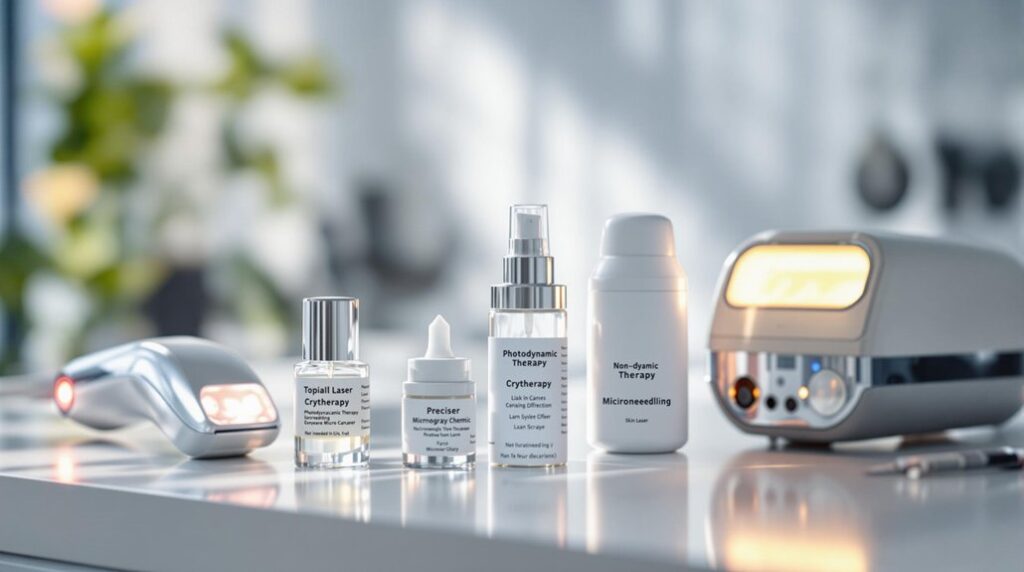
Non-surgical skin cancer treatments offer excellent alternatives for patients seeking effective care without invasive procedures. We’ve identified five leading options: photodynamic therapy (using light activation), cryotherapy (freezing cancerous cells), topical medications (like imiquimod), radiation therapy (particularly SRT and IGSRT), and immunotherapy (including PD-1 inhibitors). These approaches deliver impressive success rates—from 80-99% for various treatment modalities—while… read more
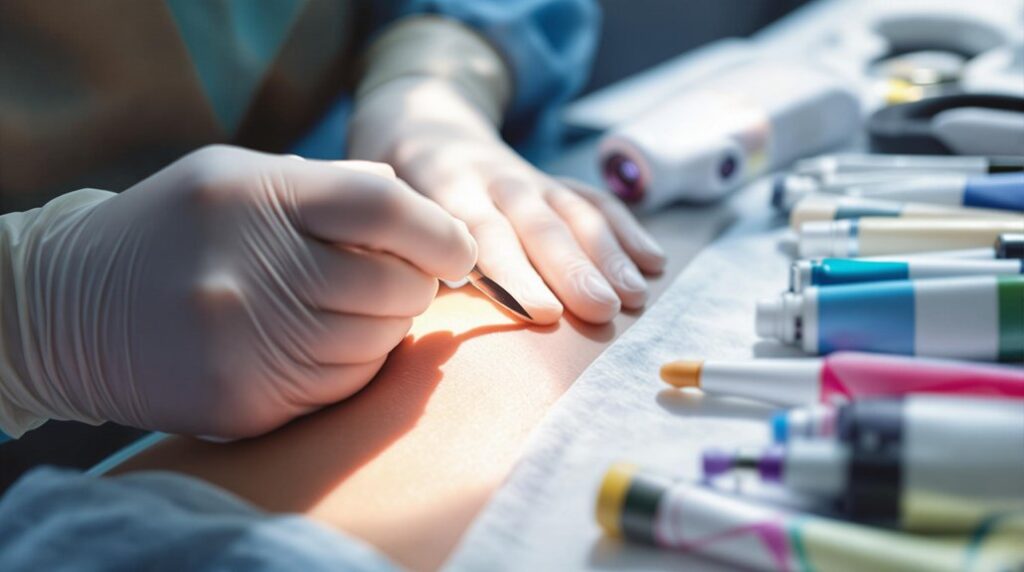
When treating skin cancer, we must weigh surgery vs. non-surgical alternatives. Mohs surgery offers up to 99% cure rates with excellent tissue preservation, while non-surgical treatments like photodynamic therapy show higher recurrence rates (reaching 31% at 24 months). Recovery from surgical procedures typically spans 2-4 weeks with mild pain. Treatment selection depends on tumor location,… read more

While non-surgical skin cancer treatments have lower initial costs (averaging $401 for basal cell carcinomas versus $4,379 for complex surgeries), they often become more expensive long-term. Higher recurrence rates can lead to additional expenses reaching $31,870 within a year. Insurance typically provides better coverage for surgical options, with non-surgical treatments facing stricter authorization requirements. Geographic… read more
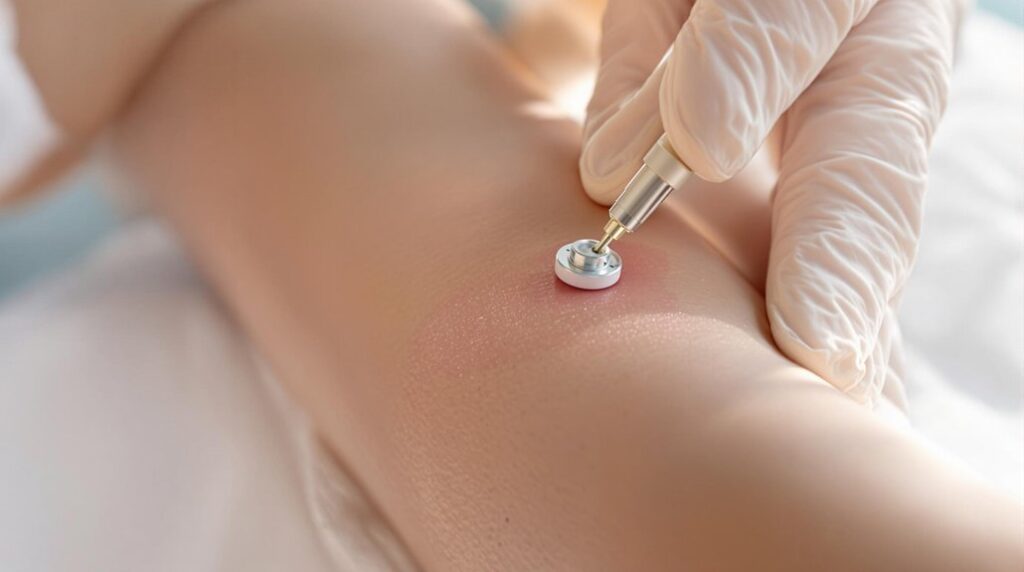
Brachytherapy delivers targeted radiation directly to skin cancer cells while sparing healthy tissue. It works by creating DNA damage in cancer cells through precise energy delivery, with success rates exceeding 95% for basal and squamous cell carcinomas. It’s ideal for patients with small, localized tumors (≤2 cm, <5mm thickness), especially in cosmetically sensitive areas or… read more

Regular skin cancer screenings are especially critical in Northern California, where intense UV exposure, higher elevations, and demographic factors create elevated risk profiles. With over 9,500 daily skin cancer diagnoses nationwide, early detection through annual examinations can boost survival rates to 99% for melanoma. We’ve identified significant geographic clusters in counties like Sonoma, Napa, and… read more
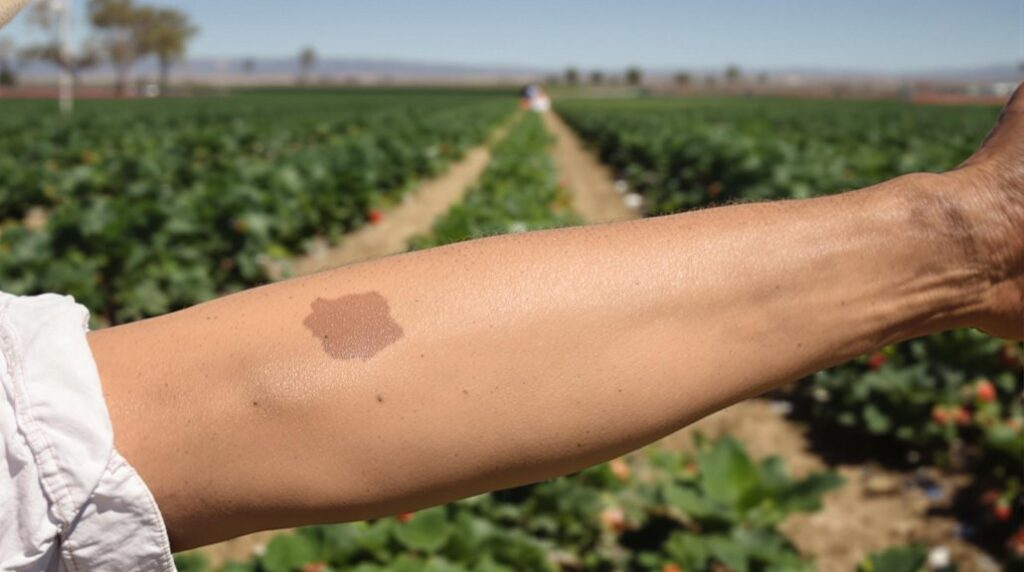
Central California’s climate puts us at high risk for skin cancer due to year-round UV exposure, high elevations, and desert conditions. We face increased danger from three main types: basal cell carcinoma, squamous cell carcinoma, and the more serious melanoma. Daily sun protection, including SPF 30+ sunscreen and protective clothing, is essential in our region…. read more
